
Strategic flood risk & water advisory
Gilliland Advisory helps organisations navigate complex flood and water challenges, make confident decisions and develop practical ways forward.
Services

Non-executive director and board advisory
Bringing senior leadership and specialist flood and water sector experience to boards navigating growth, innovation and climate risk. Providing independent challenge, strategic insight and practical support on technical direction, partnerships and delivery.

Research, innovation and technology
Support to develop, assess and apply new ideas, technologies and approaches in the flood and water sector. We help clients shape research priorities, build specialist partnerships and make effective use of sensors, real-time monitoring and data to better understand risks, support earlier warning and improve flood resilience.

Strategic flood and water advice
Senior-level advice on flood risk, water management, drainage and climate resilience. We help clients understand their options, challenge assumptions and shape strategies that are technically sound and practical to deliver – from early opportunities and difficult planning sites to established assets facing changing risks.

Independent review and due diligence
An experienced, independent view of Flood Risk Assessments, drainage strategies, resilience proposals and other technical work. We provide peer review and due diligence for developers, asset owners, insurers and investors, identifying material risks, gaps and opportunities and setting out clear recommendations.

Flood resilience and adaptation
Advice on protecting homes, businesses and infrastructure from flooding, including Property Flood Resilience (PFR), flood warning and operational planning. We assess how proposed measures work together, the risks that remain, and what is needed to make a solution effective in practice.

Planning and development support
Flood risk and outline drainage support for development, including Flood Risk Assessments, Sequential and Exception Tests, surface water strategies, and flood warning and evacuation plans. We work with project teams from initial site appraisal through to planning, bringing in other technical specialists where appropriate.
© Simon Gilliland T/A Gilliland Advisory 2026. All rights reserved. Contact: [email protected]

Strategic flood risk & water advisory
About

Gilliland Advisory was founded by Simon Gilliland, a Chartered Civil Engineer and Fellow of the Institution of Civil Engineers, with over 20 years’ experience in flood risk and the water sector.Simon has led large multi-disciplinary consultancy teams and held senior executive and board-level roles. His experience spans technical delivery, strategic advisory, research, innovation, technology and business leadership. This gives him an understanding of both the detail of a flood or water challenge and the wider decisions facing an organisation.Gilliland Advisory draws on this experience to support clients and boards seeking clear thinking, constructive challenge and independent advice grounded in practical delivery. Our work ranges from shaping strategies and reviewing investment decisions to supporting research, innovation and the application of technology, and helping clients address site-specific flood risk, drainage and resilience challenges.Our approach is collaborative and proportionate, taking time to understand each client’s objectives and the context in which decisions need to be made. We make complex issues easier to understand, identify practical options and provide clear recommendations that help projects and organisations move forward.Where a commission calls for wider expertise, we work with trusted specialist partners to bring together the right knowledge and skills for the task.
© Simon Gilliland T/A Gilliland Advisory 2026. All rights reserved. Contact: [email protected]

Strategic flood risk & water advisory
Let's discuss your project
Whether you need flood and water advice, an independent review, development support or board-level insight, we’d be happy to talk.
Get in touch
Or email us: [email protected]
© Simon Gilliland T/A Gilliland Advisory 2026. All rights reserved. Contact: [email protected]

Strategic flood risk & water advisory
Partners
Gilliland Advisory works with specialist organisations and industry networks to support practical, informed approaches to flood risk, water management and resilience.
IPFRA
Simon serves on the Executive Board of the International Property Flood Resilience Association (IPFRA), contributing expertise and insight to support the wider adoption of property flood resilience.
Radio Data Networks
Gilliland Advisory partners with Radio Data Networks to help clients make effective use of real-time sensors and monitoring technology. Combining flood and water expertise with specialist technology, we support better understanding of site conditions, earlier flood warnings and timely action to protect people, property and infrastructure.
Torc Associates
Torc Associates provides development and building consultancy for developers, landowners, investors and contractors across the UK. Services include technical due diligence, Building Regulations design, utilities and infrastructure advice, and technical leadership, with practical support from land appraisal through to construction.

© Simon Gilliland T/A Gilliland Advisory 2026. All rights reserved. Contact: [email protected]

Strategic flood risk & water advisory
Insights
GA Perspective #1
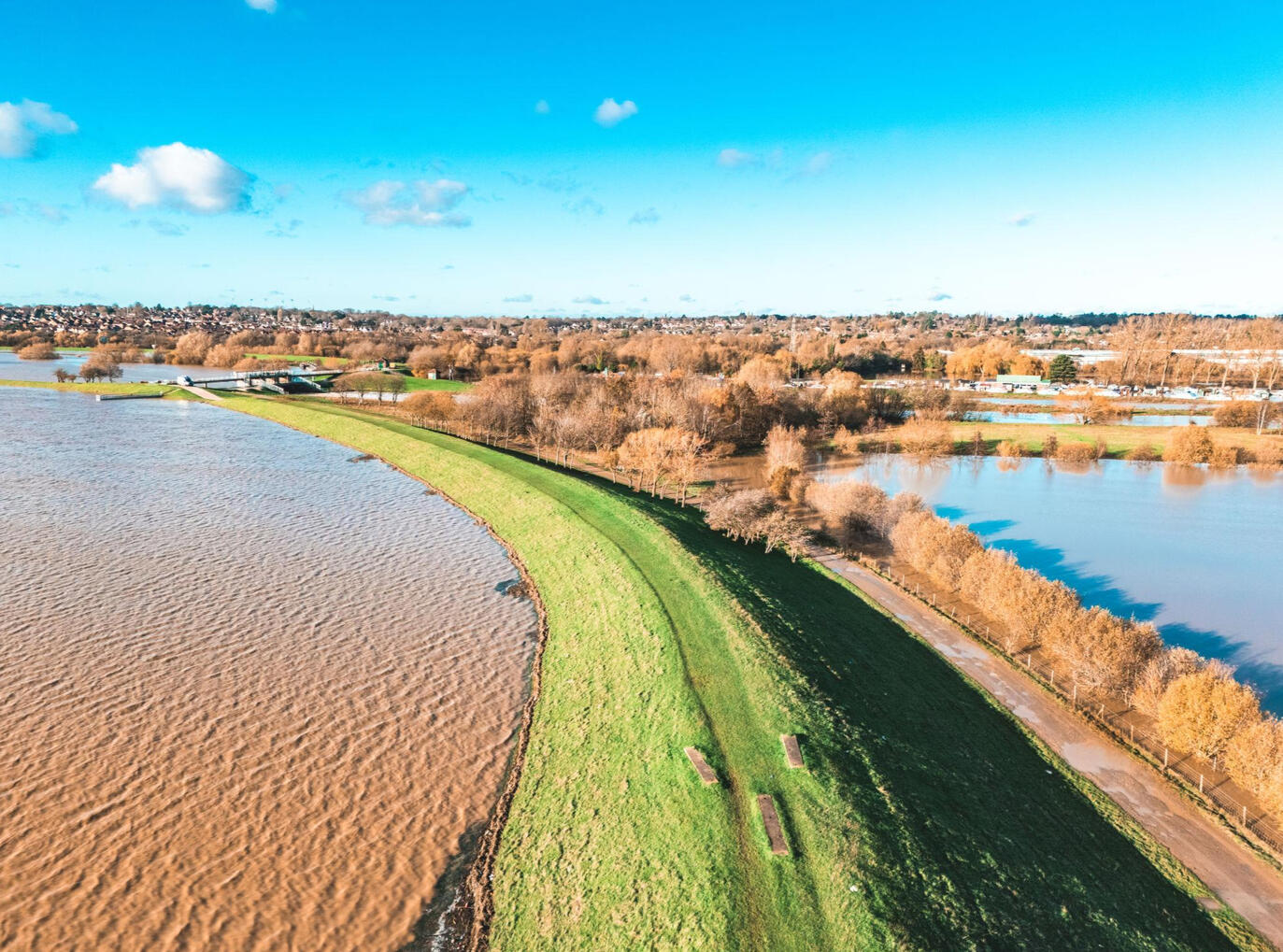
Beyond Flood Defences: Time to Think Differently About Flood Risk
November 2026 | Simon Gilliland
Welcome to GA Perspective
I've launched GA Perspective as a space to share my thoughts on developments, challenges and opportunities across flood risk management, water and climate resilience.After more than 20 years working in the sector, I've seen huge progress in how we understand and manage both water and flood risk. But I've also seen how difficult it can be to challenge established approaches and embrace new ideas.Through these occasional articles and sound bites, I want to explore some of the big questions facing our industry, share practical insights and hopefully encourage a bit of debate along the way.I don't intend these to be lengthy technical papers or simply summaries of industry news. They'll be my own perspectives on issues I think matter, informed by experience and a genuine interest in how we can do things better.And if there's a particular topic you'd like me to explore, or something you'd like my views on, please do get in touch!
Beyond Flood Defences
The Environment Agency's latest Long-term Investment Scenarios (LTIS) assessment, published earlier this month, provides a timely starting point.The new assessment (superceding the one published in 2019) examines the long-term costs and benefits of investing in flood and coastal erosion risk management in England, considering different levels of investment and future climate scenarios.Needless to say, its findings are stark - without further investment beyond essential works, annual flood damages could increase elevenfold by 2125 under the main climate scenario. Even with substantially higher investment, the assessment suggests that flood damages will continue to increase over the longer term.
The message is clear: The costs of managing flood risk are increasing, and maintaining current levels of protection is becoming more and more difficult.
Nothing new here, I guess - I'm sure I'm not the only one who feels like every new report paints an ever bleaker picture of the flood risk outlook in the country. I have to admit, even I find some of the figures difficult to get my head around. An elevenfold increase in flood damages, with risks continuing to rise and the costs of protecting our homes and communities growing ever higher. It's all pretty mind-boggling!Of course, continued investment in flood defences is essential, and always will be. They protect millions of people, homes and businesses, and remain a vital part of how we manage flood risk.But where does this end?!As I've said many a time to anyone who'll listen, we can't just keep building defences higher and higher, at ever-increasing cost.What happens when that is no longer practical or affordable? And where do we build if more and more of our land becomes effectively out of bounds because of flood risk?
We Need More Options Than Defend or Retreat
One of the things that really struck me from the LTIS assessment is what happens when conventional flood defences are no longer a realistic long-term option.As sea levels rise and flood risks increase, there will inevitably be places where maintaining or upgrading existing defences becomes increasingly difficult and expensive - and in some cases, we may sadly have to accept that relocating homes and communities is the only realistic option.But surely we can do better than simply choosing between building higher defences or moving people elsewhere?!Don't get me wrong, there will always be places where relocation makes sense. But I can't help feeling that we're missing a trick if we don't seriously explore other ways of adapting to the risks.Much of our approach to flood risk management is still built around fairly rigid infrastructure and fixed standards of protection. We design defences to withstand particular flood events, build infrastructure around those assumptions and hope that what we've designed today will still be fit for purpose decades down the line.And to be fair, these approaches have served us well. But with the climate changing and the risks continuing to increase, surely we need to be thinking a bit differently?
Innovation and Adaptation Must Be Part of the Answer
Innovation in flood resilience is something I've always been passionate about.I've always been interested in finding different ways of tackling problems, especially when the conventional approach starts to reach its limits.Rather than focusing almost entirely on keeping water away from people and property, why aren't we putting more effort into finding ways for our buildings, infrastructure and communities to adapt to flooding?That might mean more adaptable buildings, different construction methods, smarter monitoring and warning systems, or simply rethinking how we plan and develop land at risk of flooding.I'm not suggesting we throw out everything we've been doing for decades. Flood defences, natural flood management, sustainable drainage, property flood resilience and good planning all have an important part to play.But I do think we need to be much more open to new ideas, and perhaps a little less wedded to the way we've always done things.There are some really interesting innovations out there, but getting them from an idea to something that is widely accepted, funded and delivered can be incredibly difficult.And that's something I think we need to get much better at. Whether it's government funding, planning policy, industry standards or the role of insurers in recognising and rewarding resilience, we need to create the right conditions for new approaches to succeed.
If we're serious about adapting to a changing climate, we need to be just as ambitious about innovation as we are about investment.
Time to Think Differently?
I don't think anyone reading the Environment Agency's latest assessment could argue that we don't need continued investment in flood risk management. The figures speak for themselves.But for me, the bigger question is whether we're thinking broadly enough about where that investment goes.If the long-term answer for some communities is increasingly framed around ever-higher defences or eventually moving people away, then surely we need to be putting much more effort into finding alternatives?We know flood risk isn't going away. And we know that simply doing more of what we've always done is going to become increasingly difficult and expensive.So perhaps it's time to challenge a few assumptions, embrace some new ideas and be a bit more ambitious about what adaptation could actually look like.We can't keep the water out everywhere, forever. But that doesn't mean we should stop looking for better ways to live with it.It's a subject I'm passionate about, and one I'll no doubt return to in future editions of GA Perspective.I'd be really interested to hear what others think. Are we doing enough to encourage innovation in flood risk management? What approaches do you think deserve more attention?And if there's something else you'd like me to explore in a future GA Perspective, just shout!
Further Reading
Environment Agency (2026) – Long-term Investment Scenarios: Flood and Coastal Erosion Risk Management in England.
Read the Environment Agency's LTIS 2026 assessment
© Simon Gilliland T/A Gilliland Advisory 2026. All rights reserved. Contact: [email protected]